
Home Age Fit Addresses Adult Bed Rails Safety Following October Federal Recalls and Warning
New York, New York - November 09, 2026 - PRESSADVANTAGE - A series of federal actions during October 2026 involving
Press Release Disclaimer: This is a press release distributed through the XPR Media network. It has not been independently verified by our newsroom.

New York, New York – November 09, 2026 – PRESSADVANTAGE –
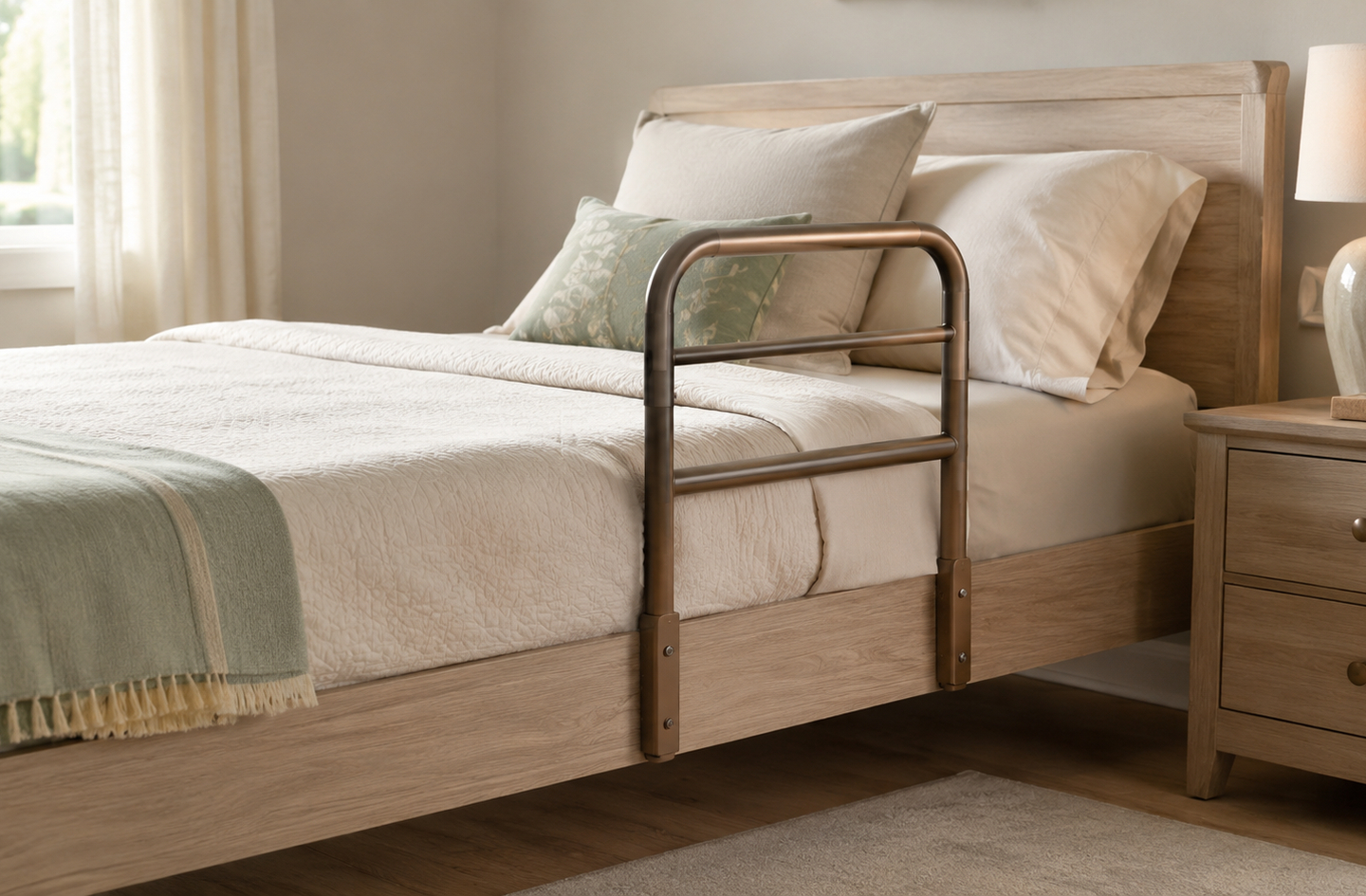
A series of federal actions during October 2026 involving adult portable bed rails has prompted Home Age Fit to clarify how families can distinguish bedside equipment that supports movement from products that may introduce entrapment hazards when poorly designed or incompatible with the bed.
The U.S. Consumer Product Safety Commission (CPSC) announced three separate developments. On October 1, Agrish expanded its recall to approximately 35,083 units, including roughly 5,000 previously recalled, following one reported consumer fall. On October 15, approximately 200 Xalirium portable bed rails were recalled, with no incidents reported. On October 22, the CPSC issued a safety warning covering approximately 237 Reliancer bed rails, urging consumers to stop using them immediately, also with no incidents reported. A recall and a safety warning are distinct: a recall typically includes a specific remedy from the manufacturer, while a warning alerts consumers to stop use. These actions concern particular products and do not indicate that all adult bed rails are unsafe.
Entrapment occurs when gaps form between a rail and a compressed mattress, or between the rail and the bed frame, creating spaces where a user can become caught. Such gaps may develop even when a rail appears to provide useful support, particularly as foam mattresses compress over time. The CPSC mandatory standard, 16 CFR Part 1270, addresses entrapment resistance, retention systems, structural integrity and warning labels.
Home Age Fit notes that bedside support is not one-size-fits-all. Transfer handles, longer fall barriers and floor-to-ceiling support poles each address different movement needs, and using one in place of another can leave a specific risk unaddressed. The company’s Home Age Fit Guide to Bed Rail Safety explains how to match equipment to a user’s mobility profile and bed geometry, while the Home Age Fit Bedside Transfer Pole Guide details tension-mounted poles that assist sit-to-stand transfers without drilling.
“Equipment purchased to support independence can introduce a new hazard when its retention system or mattress compatibility is inadequate,” said Oded Feigin, founder of Home Age Fit. “The recent federal actions underscore why families should verify recall status and compatibility before relying on any bedside support.”
The FDA separately advises consumers to verify compatibility among the rail, mattress and bed frame, and to inspect regularly for gaps created by movement or compression. For recalled or warned-about products, consumers should follow the CPSC’s specific stop-use and remedy instructions rather than attempt to adjust a defective product.
“Changing bed height, repositioning supports or considering a transfer pole depends on an individual’s mobility and bedroom configuration,” Feigin added. “These decisions often benefit from an occupational therapist’s assessment.”
Families planning broader changes can reference the Home Age Fit Bedroom Safety Planning Guide, which frames layout, bed height, bedside support, lighting and floors as connected elements of nighttime safety.
Home Age Fit provides engineering-informed aging-in-place design resources, helping seniors and their families adapt the home for the next phase of life. Led by Oded Feigin, the company applies technical breakdowns, ergonomic frameworks and preventative design logic through expert-led guidance, decision-friendly reviews, organized topic hubs and in-depth articles.
###
For more information about Home Age Fit, contact the company here:
Home Age Fit
Oded Feigin
info@homeagefit.com
144-42 Jewel Avenue
Flushing, NY 11367
United States
